It’s the Union Flag you see or the Union Jack when it’s on a ship. Don’t ask. It’s the three flags of the United Kingdoms of Ireland (when we had the lot), Scotland, Wales and England.
You are right the parliament of the day is tasked by the monarch to run the country as part of the three pillars of government.
The monarch
Parliament
The justice system
So we have a Royal Navy and Royal Air Force and The British Army (OK) as technically they are doing things for the monarch through the parliament.
The thing is, as it’s going way back so this is all done by convention. The monarchy acts as our head of state and is generally fiercely politically neutral.
It is also technically possible for the monarch to refuse to endorse the government’s actions. This is very much an emergency power, only for use when the government has stopped functioning, for a pretty generous definition of “functioning.” If a monarch were to use this power without very strong justification, it would end the monarchy.
It’s embedded into quite a lot of things. Our postal service is the Royal Mail, our taxes are collected by HMRC, His/Her Majesty’s Revenues and Customs. Then there’s things like the Crown Estate that manage the seabed and large portion of land… Once you look, the influence of the monarchy is present all over the place, even if only nominally.
On the flag, that is the White Ensign flown by British Navy vessels. The Merchant Navy fly the Red Ensign, whilst there is also the Blue Ensign, flown by certain state authorised vessels like research ships. Back in the day (Tudor period I think) the different coloured ensigns designated different naval squadrons, before the current arrangement dating from the late 19th century when the coloured squadron system was abolished.
The UK is still very much a kingdom. The head of state is an actual hereditary, completely unelected monarch. Furthermore, this monarch still owns substantial (but not readily ascertainable) amounts of the country. And has an unknown amount of influence over the government (meetings, correspondence etc are secret, and have actually become more secret in recent years. We’re told that they’re just a figurehead, but if that’s so, why is their role so obscured from the public gaze?
It’s described as a ‘constitutional monarchy.’ In the absence of a constitution, that makes it a ‘monarchy’ as far as I can see.
It’s also described as a parliamentary democracy. And yet of the three branches of government (lower house, upper house, head of state), only one is elected, and that by an antiquated and unsatisfactory first-past-the-post system.
So… it’s not ideal, really, when you look into it.
That flag? It’s called the White Ensign. It’s the navy flag. It’s the England flag with the Union Jack in the corner. (Why? I don’t know, but it reflects quite well the arguably disproportionate influence of England in the UK.)
(TLDR - It’s complicated, and I’m a fan of changing some stuff.)
That’s what I thought too, but I’ve read once somewhere that it’s because the Army was traditionally made up of hodge podge of Regiments some were commissioned by the Crown, while some were private (non-Royal). That’s “Bastard Feudalism” for ya. Although, note that this could be made-up bullshit.
I’m guessing the RAF got its name because it’s a splinter from the Navy?
It’s even better, we have an unwritten constitution.
It can be quite fun to follow constitutional lawyers on social media as they complain that their work should always be boring, but has been the opposite for the past 10 years.
The various regiments reason is what I understood the reason for the army not being a ‘royal army’. Many of the regiments are the Royal whatever, others were under the pay and control, at least notionally, of various other nobles, and they lacked an over arching command structure. Crimea should have taught them this wasn’t going to work, but it wan’t really until WWI that they got rationalized.
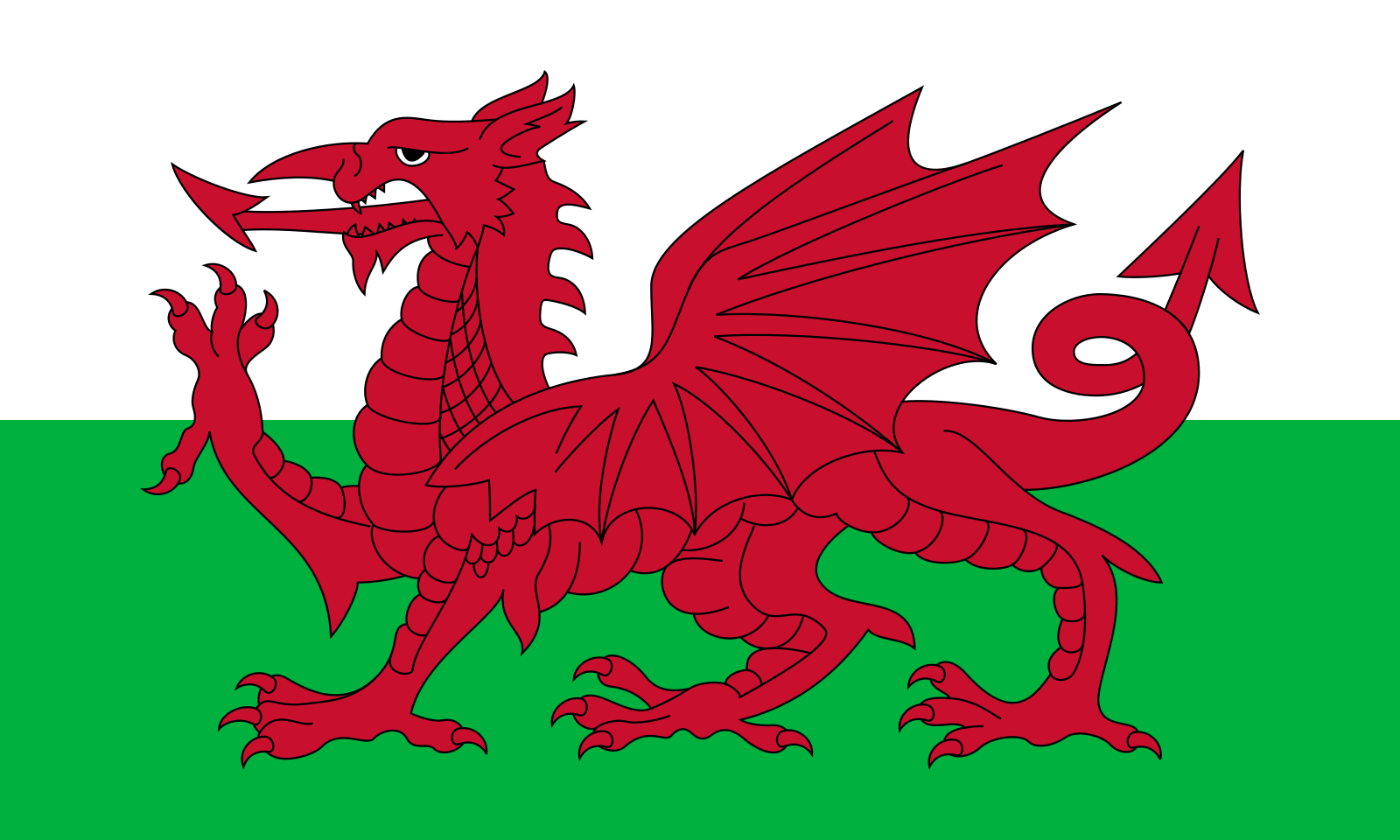
 And he doesn’t think a written constitution would solve it.